The Actual Story
In northern Michigan, and not just the U.P. you will without a doubt see a lot of signs with the word “pasty” or “pasties” written on them. A regional delicacy at this point, they originated as packed lunches for copper miners prepared by their wives, and now no picnic is complete without them.
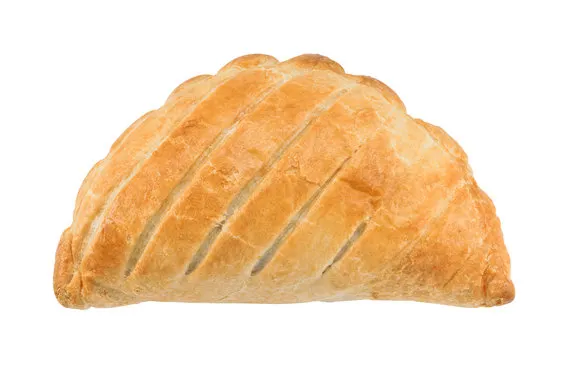
But what is a pasty? A pasty is a hand pie made from ground beef, potato, onion and rutabaga (called “swede” in England. The seasonings are kept fairly simple, with salt and pepper, perhaps onion or garlic powder for the adventurous. As for toppings people tend to lean one of two ways, between tomato ketchup or gravy. Gravy tends to make it a more “full meal” but I have never seen a picnic use anything but ketchup because of the mess gravy would make.
Brought over from Cornwall England, the pasty is a continuation of the British meat pie. Cornwall is the farthest southwest corner of England and still makes pasties today. As a matter of fact, they are registered as a “Protected Geographical Indication” in the European Union, nowhere else but in England can a product claim to be a pasty; Luckily that doesn’t effect us here in the states, but I don’t think the Cornish would do that to us.
Two large groups that settled in northern Michigan and the U.P. were Finns that immigrated over from Finland and Cornish coal miners who brought that pasty pie over with them. The small hand pie was a convenient way for the wives of the miners to pack a meal they could eat deep in the mines, when it was was not always practical to make the long trip back up to the surface for lunch.
There are now a lot of pasty shops scattered across upper Michigan not just the U.P. So if you want a piece of mining history that is both tasty and easy to make, why not give a Northern Michigan/Cornish pasty a try?